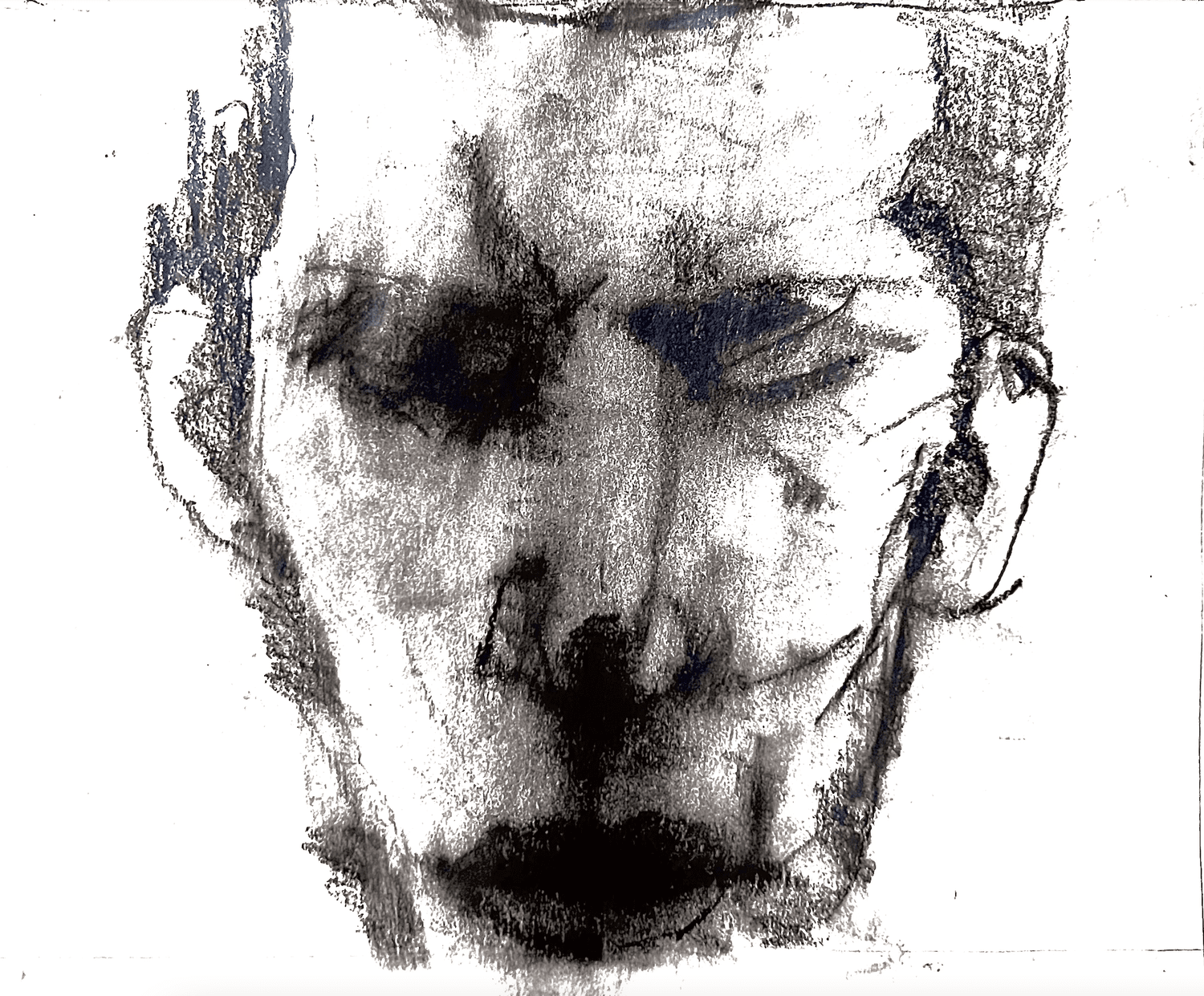
Ravi, the Ancient
2026
Only a handful of people from work came to see me in person after the accident.
I had just left one company for another, and the crash happened in between, in the gap, in the moving between lives. The people at the new place barely knew me yet. A few people from my previous company made the trip. Ravi was one of them.
I was spending my days in a rocking chair on the porch because being outside was the one thing that felt close to normal. I'd read, write a little, speak on the phone, watch the street, wave to the neighbors. I enjoyed the spring weather, the sunshine, and the warm air. The rocking chair had become the radius of my daytime world.
Ravi leaned against the porch railing the way he'd lean against the doorway to my office — comfortably, without ceremony, like he was always in between things, had somewhere to be. We talked about work, the industry, some people we both knew, projects he was working on. He had a way of making conversation feel like thinking out loud. Mini-brainstorms would emerge, we'd land on some solution to a problem no one knew they had yet. He was a process engineer by trade but a philosopher by nature. He thought carefully about how things fit together: systems, people, cause and effect. He'd stop by my office just to talk. Not about anything urgent. Just to talk.
At some point our porch conversation turned to the accident. To how close it had been and what it had cost me: missing work, upsetting my family, my physical pain.
Ravi waved his hand — a loose, easy gesture, like shooing a fly — and said:
"The old men in my country would say, 'lucky for him, it prevented him from something worse!'"
Just like that, as if he was telling me about someone else. As if the distance might make it easier to receive. Not mocking, just certain. The old men had spoken. The matter was settled. Wave of the hand. Next topic.
I thought about it for a long time after he left. His words unlocked something I'd carried without knowing it. The kind of story that lives in collections like Pinhas Sadeh's Jewish Folktales — ancient tales that arrived without a single author and belong to everyone and no one. Two brothers, fishermen. One breaks his arm on the way to the boat and can't sail. The boat goes down. The broken arm was the protection all along.
The old men knew this. Ravi knew this. He just delivered it like it was obvious, like of course this is how the world works, like why would you see it any other way. He waved away the darkness the same way you'd wave away a fly on a summer afternoon.
——
A year later I was scrolling LinkedIn when I saw the post. Written by his manager, someone I knew a little, enough to recognize the name. Ravi had died. A heart attack, sudden, no warning. He was gone.
What? Why? What happens to his family, his kids?
That was the first thing I thought. The same direction his instinct had always moved. Toward others. Toward the person in the rocking chair who needed to hear that the universe might be looking out for him.
I sat with the smallness of the LinkedIn post. The manager's brief words. The inadequate container for an irreplaceable thing.
——
The old men in Ravi's country understood something I'm still learning. That misfortune has a current underneath it. That the broken arm, the missed boat, the crash on a May morning in New Jersey, these are not only what they appear to be. There is something else moving underneath. You don't always get to know what it prevented.
Ravi gave me that. Leaning against a porch railing on a summer afternoon, waving away the darkness with one hand. But I couldn't be there for him. I still don't know what it would have been. I just mourned for his family, and for the rest of us who would no longer get to be in his presence.